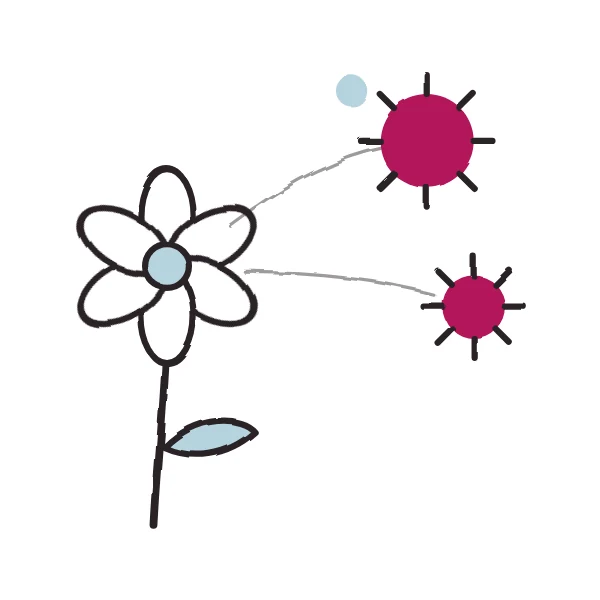

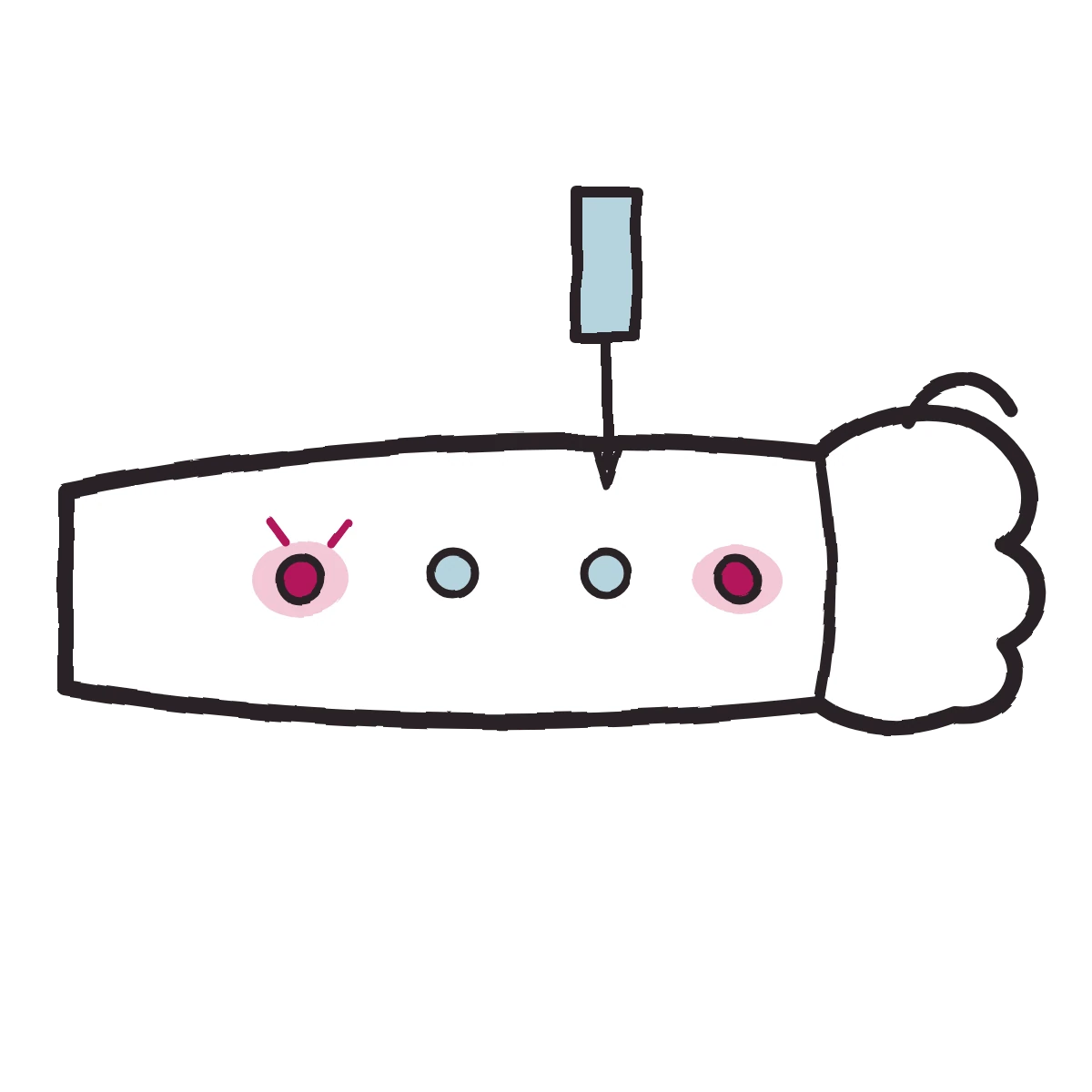

Allergy test, skin test, prick test — three words for the same examination. It shows which allergens the skin reacts to and puts symptoms such as hay fever (allergic rhinitis), a permanently runny or blocked nose and sneezing attacks into context. Allergy testing is offered here for adults and for children.
Step 1
When an allergy test makes sense
- Hay fever: sneezing attacks, runny nose, itchy and watery eyes in certain months
- Year-round allergic rhinitis, for example to house dust mites or animal dander
- Permanently blocked nose, mouth breathing, snoring without infection
- Long-lasting nose or sinus complaints where an allergic cause could play a part
- Suspected link between symptoms and season, home or pet
- Before a treatment decision, for example before specific immunotherapy
Step 2
Allergy testing for children and adults
Allergy testing in this practice is explicitly available for children. That matters, because an unrecognised allergy in a child can affect nasal breathing and sleep. Allergies are common in children with glue ear; whether they cause it is not established.
For children the test is prepared calmly and explained in age-appropriate terms, with the parents present throughout. The skin test is possible at any age in principle; in very young children the back is sometimes used instead of the forearm. Whether it makes sense in an individual case depends on the skin condition and medication.
Step 3
How the examination works
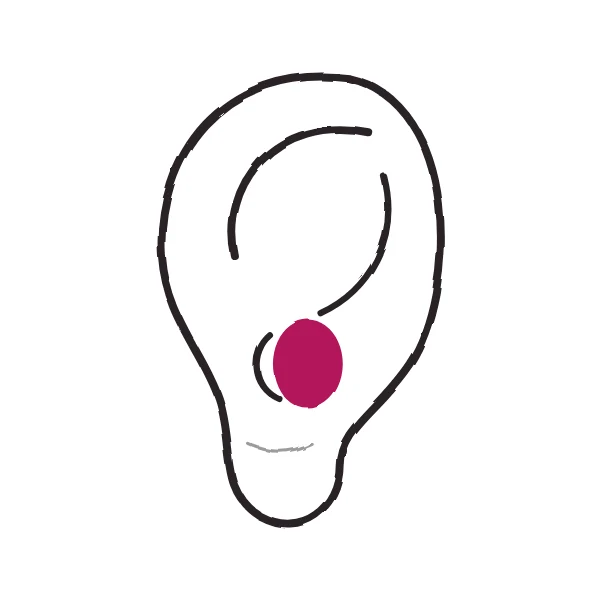
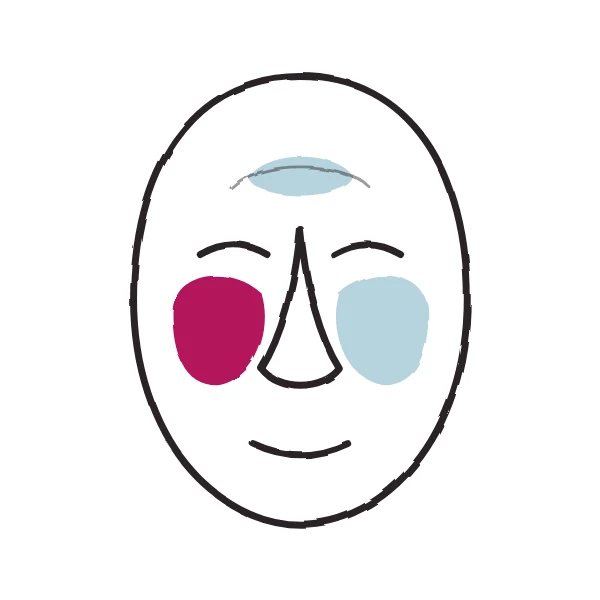
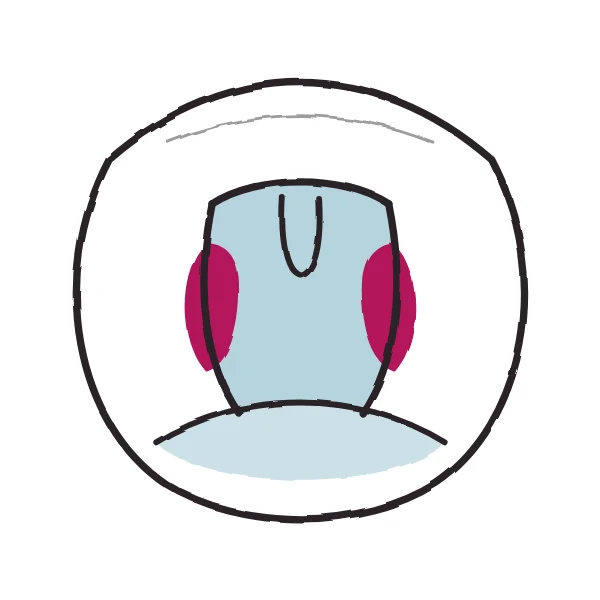
It starts with a conversation: when the symptoms occur, where, in which months, how severe they are and which medication is being taken. An ENT examination of nose, throat and ears follows, usually including endoscopic assessment of the nasal mucosa.
For the prick test, drops containing standardised allergens are placed on the skin of the forearm and the skin is lightly pricked through the drop with a fine lancet. The reaction is read after about 15 to 20 minutes. The test is short and usually well tolerated. Antihistamines must be paused beforehand, the common newer ones for about seven days and older ones for about two days — exactly how long is discussed when the appointment is made.
The skin test is not possible in every situation: with skin disease in the test area, in pregnancy, with uncontrolled asthma or while taking certain medicines (for example beta blockers) it is postponed or replaced by a blood test. Testing is carried out under medical supervision, with the means to treat a reaction immediately.
If the skin test is not sufficient or not feasible, a blood test for specific IgE antibodies can be added or a referral arranged.
Step 4
What is discussed after the test
A test result on its own is not a diagnosis. What matters is whether the skin reaction matches the reported symptoms. That interpretation is done together immediately after the test.
Depending on the result, allergen avoidance, nasal irrigation, local treatment of the nasal mucosa, antihistamines or referral for specific immunotherapy (desensitisation) are discussed. If anatomical causes such as a deviated septum or enlarged turbinates are also present, these are assessed separately. No particular treatment outcome can be promised.
Costs and insurance
Private practice (Wahlarzt). Austrian public insurance refunds part of the fee on request; we provide the invoice you need.
Frequently asked questions
Is allergy testing possible for children?
Yes. Allergy testing is offered in this practice for children as well as adults. The skin test is possible at any age in principle; in very young children the back is sometimes used instead of the forearm. Whether it makes sense in an individual case depends on the skin condition and medication.
Does the prick test hurt?
The skin is only lightly pricked with a fine lancet. Most patients describe it as a brief scratch. Positive spots may itch or form a small weal for a short time.
Do I have to stop my medication first?
Antihistamines and certain other medicines can distort the result and need to be paused beforehand, common antihistamines for about seven days. Please ask when booking, and do not stop prescribed medication on your own initiative.
Sharing helps.
Do you know someone with similar symptoms? This page may help them.