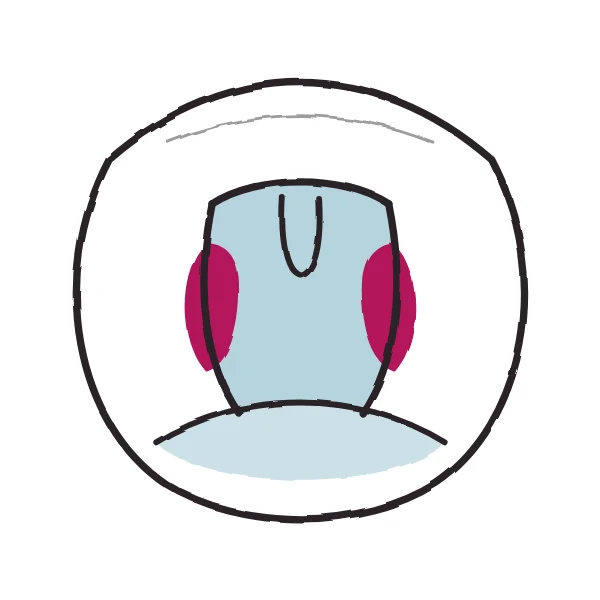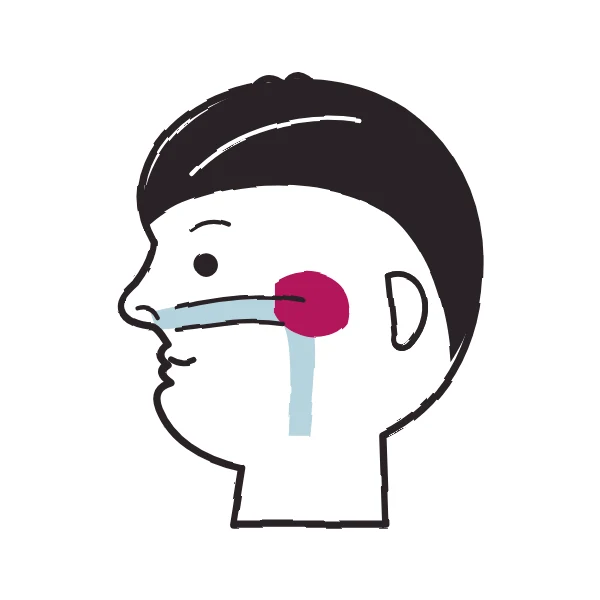

The adenoid sits behind the nose in the nasopharynx. In Austria parents usually say Polypen (Adenoide); in English the words are adenoids or the "third tonsil". These are not the nasal polyps seen in adults — two different findings.
Step 1
How do I recognise enlarged adenoids in my child?
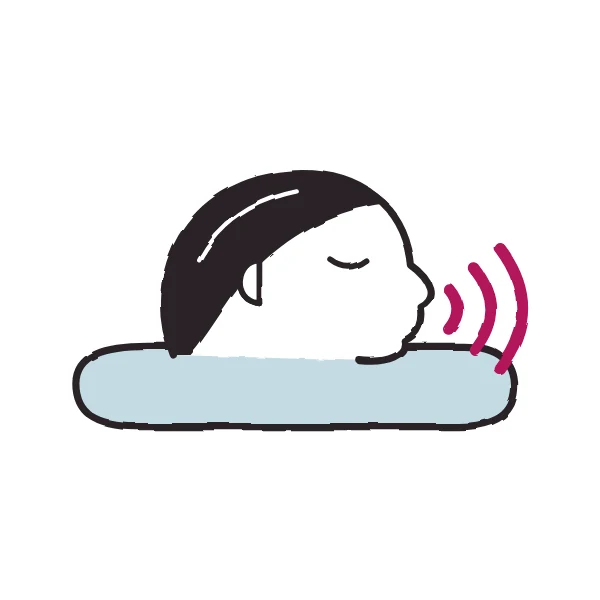
The typical picture is a permanently blocked nose: the child breathes through the mouth, sleeps restlessly, snores and often sounds nasal. The runny nose seems chronic although there is no acute infection.
Ear symptoms are common as well, because an enlarged adenoid blocks ventilation of the middle ear: recurrent middle ear infections or fluid buildup (effusion, glue ear) with reduced hearing.
- Mouth breathing during the day and at night
- Snoring, restless sleep, daytime tiredness
- Constantly blocked nose, nasal-sounding speech
- Recurrent middle ear infections or fluid in the ear
Step 2
Do adenoids always have to be removed?
No. Enlarged adenoids (polyps) often shrink by themselves from about the age of six, and mild findings without relevant symptoms are simply monitored. Nasal breathing and any accompanying allergy are treated first.
Surgery is considered for persistent mouth breathing or breathing pauses during sleep. For long-standing effusion with reduced hearing or frequent middle ear infections, the adenoids are usually removed as well only from about the age of four. The decision is based on the findings and made together with the parents.
Step 3
How does an adenoidectomy work?
Adenoidectomy is a short procedure under general anaesthesia performed in a hospital. The enlarged adenoid is removed through the mouth; there are no external incisions or scars. Fluid in the middle ear is often drained at the same time and, if needed, an ear tube (grommet) is inserted.
For a few days afterwards a sore throat, mild bad breath and slightly bloody nasal mucus are possible, and physical rest is recommended. Follow-up including a hearing test can take place in the practice.
Any bleeding from the mouth or nose after tonsil or adenoid surgery, even if it stops on its own, must be checked by a doctor immediately, because a small bleed can be followed by a heavier one. Go to the hospital that performed the operation or the nearest emergency department; for heavy bleeding call 144.
Frequently asked questions
How are adenoids examined?
After the discussion I examine the nose, throat and ears. If the child cooperates, a short endoscopic look at the nasopharynx gives the clearest picture; tympanometry and a hearing test are added as needed.
Can adenoids grow back?
This happens, particularly in younger children. If mouth breathing or ear symptoms return, another examination is advisable.
Is the procedure done in the practice?
No. Adenoidectomy takes place in a hospital under general anaesthesia. The practice handles assessment, discussion and follow-up.
Sharing helps.
Do you know someone with similar symptoms? This page may help them.