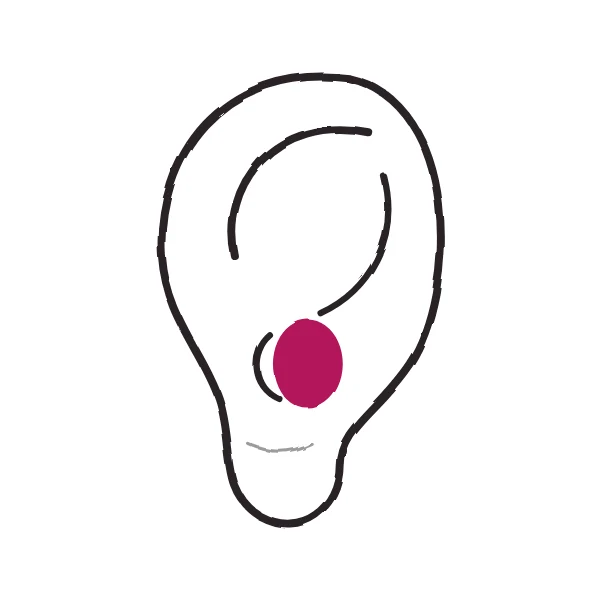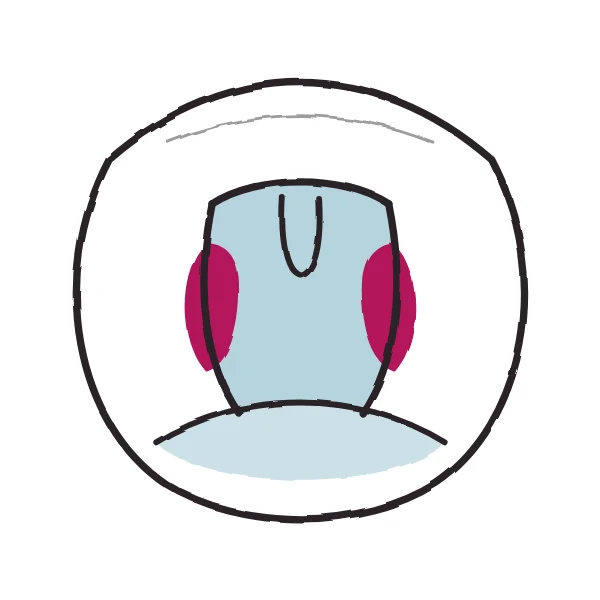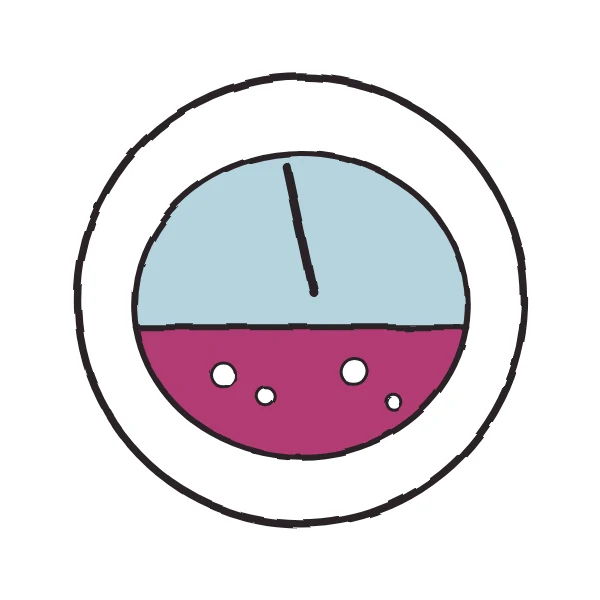

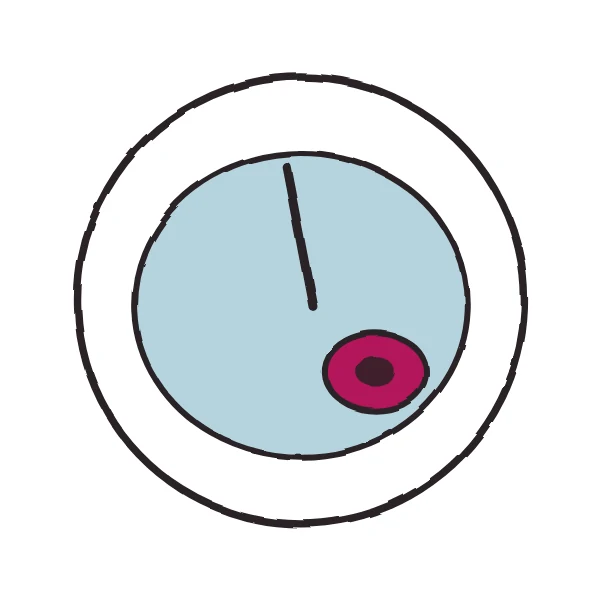
Middle ear effusion means fluid behind the eardrum. Parents often call it fluid buildup in the ear or glue ear; the medical terms are serous or mucoid otitis media. It often develops after an infection, when the Eustachian tube temporarily ventilates the middle ear poorly. Enlarged adenoids (also called polyps) can play a part in this.
Step 1
How do I recognise fluid in the ear in my child?
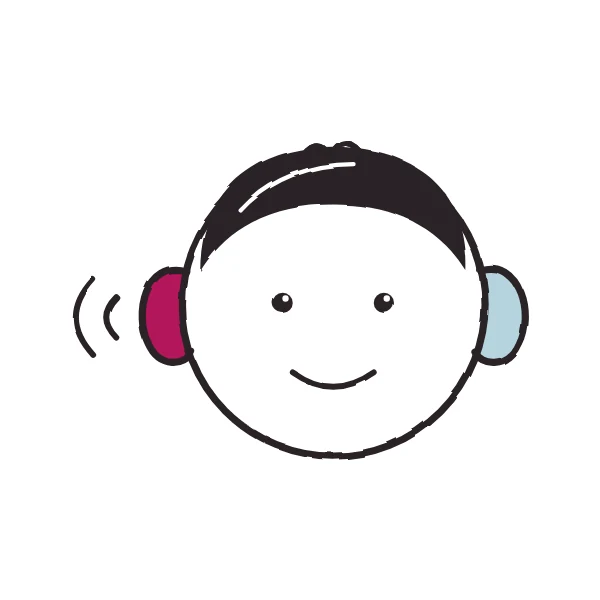
Effusion is usually painless. What parents notice is hearing: the child asks "what?" often, turns the television up, does not react when called from another room or seems inattentive in a group.
In younger children, delayed or unclear speech, a feeling of pressure in the ear, restless sleep or repeated middle ear infections can be signs. Symptoms may last for weeks without any fever.
- Reduced hearing, frequent "what?", loud television
- Delayed or unclear speech development
- Pressure, popping or a blocked feeling in the ear
- Recurrent middle ear infections (otitis media)
Step 2
When should my child see an ENT specialist?
Don't wait if …
- An examination makes sense if reduced hearing lasts longer than about four to six weeks, if it keeps coming back, or if speech development may be affected. Several middle ear infections within a short period are another reason for a check.
- In the practice I examine the eardrum with ear microscopy, measure eardrum movement with tympanometry and carry out an age-appropriate hearing test. Severe ear pain with high fever, swelling behind the ear or a sudden change in alertness needs immediate care — in an emergency call 144 (112 across the EU).
Step 3
How is fluid in the ear treated?
Most effusions clear on their own within about three months. During that time the ear and the hearing are monitored. Children who can cooperate can ventilate the Eustachian tube with a special nasal balloon. Decongestant nasal sprays, antihistamines, steroid sprays and antibiotics are not recommended for glue ear; an accompanying allergy is treated separately.
If the effusion lasts longer than about three months and hearing is demonstrably reduced, ear tubes are discussed: a small eardrum incision (myringotomy) with insertion of a tube (tympanostomy tubes, called grommets in the UK and Ireland). Whether the adenoids (polyps) are removed as well depends on age and on problems such as blocked nasal breathing; before the age of four this is usually done only if there is another reason for it. These procedures are performed in a hospital; whether they are appropriate depends on the findings.
Frequently asked questions
Is glue ear painful for my child?
Usually not. Effusion is often painless and shows up mainly as reduced hearing. Pain is more typical of an acute middle ear infection.
How long can we wait before treating it?
Watchful waiting for about three months is common, because most effusions clear by themselves. The child should be examined if hearing has been reduced for more than about four to six weeks; if the effusion with measurable hearing loss persists for around three months, the next step, including ear tubes, is reassessed.
Can my child swim with ear tubes (grommets)?
That depends on the findings and on the instructions of the operating hospital. Swimming, diving and ear protection are discussed at the follow-up appointment.
Sharing helps.
Do you know someone with similar symptoms? This page may help them.